as a doula, i need to stay on top of current research, trends and practises but i also need to understand the history of childbirth around the world. these books are familiar to most birth professionals and they are wonderful resources for any woman.
if anyone who loves me is reading this, please feel free to buy me any of these books! (used is just fine by the way! )
Born in the USA: How a Broken Maternity System Must Be Fixed to Put Women and Children First by Marsden Wagner
Homebirth by Sheila Kitzinger
Ina May's Guide to Childbirth by Ina May Gaskin
The Birth Partner by Penny Simkin
Labor Progress Handbook by Penny Simkin and Ruth S. Ancheta
The Thinking Woman's Guide to a Better Birth by Henci Goer and Rhonda Wheeler
Birthing from Within: An Extra-Ordinary Guide to Childbirth Preparation by Pam England and Rob Horowitz
Pushed: The Painful Truth About Childbirth and Modern Maternity Care by Jennifer Block
any other suggestions welcome!
Showing posts with label doula. Show all posts
Showing posts with label doula. Show all posts
Wednesday, July 11, 2007


why am i doula? confessions of a birth junkie
after my son was born, i was sitting in bed staring at him and i realized that as my last child, i was no longer going to be a part of the birthing community. soon he wouldn't even be a baby! i felt a deep sadness and the thought of saying goodbye forever to my midwives at Kalden's 6 week appointment illuminated all that i was going to lose.
i LIKE pregnancy and childbirth. i like it so much that i would do it over and over and over if i could. i love talking about babies and if it wasn't socially unacceptable i'd tell everyone i meet all about the births of my children. :)
so back to sitting in my bed - i was struck with the most brilliant of ideas that would allow me feed my birthing habit. i could become a doula! i could be around pregnant women ALL the time that way!
it's sort of a selfish career choice - i get a high when i see a pregnant belly and just the thought of supporting a woman through labour makes me giddy. i know it sounds weird but since becoming a doula i've discovered that there are lots of other "weird" women out there who feel the same!
in toronto, i am lucky that the birthing community is progressive. midwives are highly sought after and homebirths are becoming more popular than ever. it all makes me smile.
doula links:
http://www.alldoulas.com/
http://www.doulacare.ca/
http://www.findadoula.com/
http://www.canadiandoulas.com/
Friday, July 6, 2007
being a doula in the 21st century
i'm sure that there was a time when being a doula meant having a pen and paper to write down your clients info, and having a phone at home so that your client could call you when she went into labour.
that CERTAINLY isn't how things are now. especially not for doulas in the greater toronto area or in any booming metropolis these days. being a doula is a business now like anything else. you need business cards, pamphlets, a cell phone, a website (http://www.brilliantbirth.com/) and a high speed internet connection. i never imagined that becoming a doula meant that i needed to understand SEO and CSS stylesheets. eek! what have i gotten myself into.
most recently i've been wondering how i can best keep track of my clients information. at home it's easy because i use my laptop. but what about when a client calls me with a question while i'm at the zoo with my kids? i am pondering the neccessity of something like a blackberry but i simply can't afford it yet.
and even the doula certification courses have jumped on board with the modern day doula needs. they have sections about networking, advertising and marketing and about keeping your books. BOOKS?!? are they serious?!!?! (note to self : be really nice to client who is also a bookkeeper)
so between handing out pamphlets to local stores and businesses, reading medical journals, networking with other doulas, and searching online for the perfect doula bag - when exactly do i have time for my clients?
i'll have to get back to you on that one....
Thursday, July 5, 2007
the myth of mommy guilt
everywhere i go online i see postings or articles about "mommy guilt" and why we shouldn't feel guilty about the choices we make for our kids.
it's all nice and sweet and leans towards patting everyone on their back about what a great mommy they are. well i'd like to challenge this whole notion of "mommy guilt".
if your kid is watching 4 hours of tv a day - then you SHOULD feel guilty. it doesn't make you a terrible mom but you should address the TV issue.
if you feed your kid mcdonalds 3 times a week then you should feel guilty. and stop taking them to mcdonalds!
as a personal example, last week i put kalden (my 4 month old) in his carseat and placed him on a stool. the whole thing toppled over and kalden fell. it was horrible and horrifying and thankfully he was fine but it was MY mistake and i felt guilty about it. and that's OKAY.
i will be more careful next time.
so i'm not a big fan of the sentiments that tell us that all out kids will end up the "same" by high school and to stop feeling guilty for the choices we make now when they're little. only YOU can take responsibility for your choices and so you as a parent should make them carefully. we all make mistakes. it's part of being human. but the whole "say no to mommy guilt" trend is just a cop out to make us all feel better about those bad choices and it gives us an excuse to keep making them.
i support making informed choices and learning about what it best for your own family. then stand by those decisions. and if you made a mistake, then feel a bit guilty and move on. it's FINE.
Sunday, July 1, 2007
caleeeefornya
 that's where my daughter says that my aunts have moved.
"caleeeefornya". she kept asking me for lisa and cindy this morning while we were getting ready for our weekly breakfast at my grandparents. i kept telling india that they are in california but she didn't get it. then i explained that california is far away and that we have to get there by plane. so of course a plane flew by us and india pointed up and said "mommy let's use that one".
i hid my tears behind my sunglasses and explained that she'll have to wait a few weeks at least before we take a plane to california.
she is going to miss them so much. and so am i.
and then my sneaky aunt left me a card at my parents house that sent me back into tears AGAIN. it's just lucky i wasn't wearing mascara today.
(hope the drive is going well so far guys!)
Friday, June 29, 2007
sometimes i'm an a**hole
so my favorite aunts are leaving for a year. they are moving to california for work. i'm happy for them because it's a great adventure and they'll have a wonderful time BUT i'm going to miss them. and i'm sad because my daughter LOVES her aunties so so so much. and my son is only 4 months old. he'll be nearly 18 months when they get back and that is breaking my heart.
so i'm feeling down about it and what do i do? i call my best friend to complain.
what's wrong with that you might ask? well here's the thing. i called my best friend of almost 25 years to essentially say "poor me, i'm going to miss my aunts for a year". and she dutifully comforted me and told me it was okay to be sad.
well she should know about sad. my best friend lost her mother to cancer less than 2 months ago. so i'm complaining about a year away from my aunts and she's dealing with the rest of her life without her mother. i'm a jackass.
i don't even want to get into how i made it even worse by complaining about my kids missing their aunts. i just want to say that i'm a self absorbed jackass. it didn't even occur to me until much later in the day and i haven't been able to apologize to her yet but maybe she'll read this and know that i'm sorry.
Wednesday, June 27, 2007
safe sipping continued
i'm actually having heart palpitations as i go through my cupboard and find that most of my daughter's cups are #7. NOT SAFE FOR CHILDREN.
this is going to be one more expense that makes my husband crazy. i can just see his eyes rolling now.
here's a link to someone who tested non plastic cups.
http://zrecs.blogspot.com/2007/05/sippy-cup-showdown-safer-bpa-free-sippy.html
and here's a mainstream news story about this just in case you thought i was making this stuff up!
http://abcnews.go.com/Health/Story?id=2138565&page=2
sometimes i wish i didn't know these things. :(
Tuesday, June 26, 2007
what ISN'T going to kill us?
my sister was kind enough to forward me this information about the plastic used in baby bottles and sippy cups. luckily for me, my kids never had bottles and their sippy cups seem to be okay (sort of).
anyways, i thought i would share this tidbit with you so everyone can become as paranoid as i am.
Dr. Fred vom Saal has been researching BPA for decades. He is a Professor of Biological Sciences, University of Missouri. He was recently on the radio show,
Ontario Today, on CBC. This is a summary of what he had to say about the dangers of plastics and our food:
Hard, clear plastics, that are glass-like, are generally not safe.
They are Polycarbonate plastic, and contain BPA. BPA is a very potent sex hormone, and was considered for birth control drugs in the 1950s. Most plastics with a #7 in the recycling symbol have BPA as well as Nalgene bottles. It poses a real problem for adults, but especially for children. However, this type of plastic is often used in sippy cups, baby bottles, etc. Here are some simple rules to remember:If it is clear, hard plastic, do not use it! When exposed to heat, the chemical BPA is broken down and is released into liquid in bottle.
Avoid #7 plastic Nalgene containers are not safe, contrary to popular belief. They contain BPA.Brita containers themselves are not safe. Brita containers are clear, hard plastic, and have BPA-so it leaches out the chemical into the water again! The older the container is, the more BPA will leach into water. However, carbon filters (like Brita filters) remove BPA and other plastic chemicals (i.e. PVC) and are in fact the only way to get out these toxins. These chemicals are in water supply, and no municipal water treatment removes them.
Tupperware: many different types. If material is not hard and glasslike, not clear, it does not contain BPA, and is good for freezing food. However, don't put any hot foods into them. There is no such thing as a safe, heatable, microwaveable plastic. The hotter molecules are the more leaching that will occur. Don't use hard, clear plastic storage containers, especially under heat, and warmth.
Baby bottles: there are types of bottles on the market that do not contain BPA. However, many have BPA. Smaller, glass baby bottles are best. Baby bottles that you can't see through will not contain BPA. Don't heat them, and they will not leach the sex hormone BPA into baby foods.
Alternatives:
Plastic #2 (polyethylene), #4, and #5 (polypropylene) are not
clear and are safer to use. However, note cautions below.
Glass containers do not leach out anything.
Metal-lined containers (some sports water bottles are like this) do not leach out.
Caution:
It is voluntary whether a number is put on plastic Water bottles (#6-polystyrene) - not as bad as #7 and #3 (which should be avoided at all costs, especially for men and boys). However, #6 has toxicity associated with it. Don't use it.
Pop bottles, and some water bottles use plastic #1 (a polyethylene base, or PET, is safer). However, don't reuse it, it becomes dangerous after approximately 15 uses, as it emits the chemical antimony. These containers are best for single use only. The longer water is in plastic #1, the greater the risk of chemicals leaching out of it. It is meant to be recycled after single use.
delaying solids...

i know the temptation to give your 4 month old some rice cereal or pureed carrots. believe me, i understand how cute it is and how much fun it is to see witness their first attempts at eating "food". but please stop yourself! hold on... a baby doesn't NEED solids and actually is BETTER OFF without them for the first 6 months of life. the benefits of delaying solids until 6 months far outweigh the "cuteness factor" of feeding a 4 month old something his or her body isn't ready for.
and while we're at it, did you know that the la leche league does NOT recommend that cereal be your babies first food? instead of a highly processed food, they recommend starting with fesh fruit and veggies like avocado or banana. and again, they reccomend this starting at 6 months of age and not before.
from kellymom.com:
Reasons for delaying solids
Although some of the reasons listed here assume that your baby is breastfed or fed breastmilk only, experts recommend that solids be delayed for formula fed babies also. Delaying solids gives baby greater protection from illness. Although babies continue to receive many immunities from breastmilk for as long as they nurse, the greatest immunity occurs while a baby is exclusively breastfed. Breastmilk contains 50+ known immune factors, and probably many more that are still unknown.
One study has shown that babies who were exclusively breastfed for 4+ months had 40% fewer ear infections than breastfed babies whose diets were supplemented with other foods. The probability of respiratory illness occurring at any time during childhood is significantly reduced if the child is fed exclusively breast milk for at least 15 weeks and no solid foods are introduced during this time. (Wilson, 1998)
Many other studies have also linked the degree of exclusivity of breastfeeding to enhanced health benefits (see Immune factors in human milk and Risks of Artificial Feeding).Delaying solids gives baby's digestive system time to mature.
If solids are started before a baby's system is ready to handle them, they are poorly digested and may cause unpleasant reactions (digestive upset, gas, constipation, etc.). Protein digestion is incomplete in infancy. Gastric acid and pepsin are secreted at birth and increase toward adult values over the following 3 to 4 months. The pancreatic enzyme amylase does not reach adequate levels for digestion of starches until around 6 months, and carbohydrate enzymes such as maltase, isomaltase, and sucrase do not reach adult levels until around 7 months. Young infants also have low levels of lipase and bile salts, so fat digestion does not reach adult levels until 6-9 months.
Delaying solids decreases the risk of food allergies.
It is well documented that prolonged exclusive breastfeeding results in a lower incidence of food allergies (see Allergy References and Risks of Artificial Feeding). From birth until somewhere between four and six months of age, babies possess what is often referred to as an "open gut." This means that the spaces between the cells of the small intestines will readily allow intact macromolecules, including whole proteins and pathogens, to pass directly into the bloodstream.This is great for your breastfed baby as it allows beneficial antibodies in breastmilk to pass more directly into baby's bloodstream, but it also means that large proteins from other foods (which may predispose baby to allergies) and disease-causing pathogens can pass right through, too. During baby's first 4-6 months, while the gut is still "open," antibodies (sIgA) from breastmilk coat baby's digestive tract and provide passive immunity, reducing the likelihood of illness and allergic reactions before gut closure occurs. Baby starts producing these antibodies on his own at around 6 months, and gut closure should have occurred by this time also. See How Breast Milk Protects Newborns and The Case for the Virgin Gut for more on this subject.
Delaying solids helps to protect baby from iron-deficiency anemia.
The introduction of iron supplements and iron-fortified foods, particularly during the first six months, reduces the efficiency of baby's iron absorption. Healthy, full-term infants who are breastfed exclusively for periods of 6-9 months have been shown to maintain normal hemoglobin values and normal iron stores. In one study (Pisacane, 1995), the researchers concluded that babies who were exclusively breastfed for 7 months (and were not give iron supplements or iron-fortified cereals) had significantly higher hemoglobin levels at one year than breastfed babies who received solid foods earlier than seven months. The researchers found no cases of anemia within the first year in babies breastfed exclusively for seven months and concluded that breastfeeding exclusively for seven months reduces the risk of anemia. See Is Iron-Supplementation Necessary? for more information.
Delaying solids helps to protect baby from future obesity.
The early introduction of solids is associated with increased body fat and weight in childhood. (for example, see Wilson 1998, von Kries 1999, Kalies 2005)
Delaying solids helps mom to maintain her milk supply.
Studies have shown that for a young baby solids replace milk in a baby's diet - they do not add to baby's total intake. The more solids that baby eats, the less milk he takes from mom, and less milk taken from mom means less milk roduction. Babies who eat lots of solids or who start solids early tend to wean prematurely. Delaying solids helps to space babies. Breastfeeding is most effective in preventing pregnancy when your baby is exclusively breastfed and all of his nutritional and sucking needs are satisfied at the breast.
Delaying solids makes starting solids easier.
Babies who start solids later can feed themselves and are not as likely to have allergic reactions to foods.

Sunday, June 24, 2007
pride in toronto
 today was the annual gay pride parade in toronto. i love celebrating pride and i love it more that i can celebrate it with my kids. it's not the easiest task to get a 3 month old and a 2.5 year old ready for a day with 30 degree heat and 1 million spectators. usually there is a large group of us going down together but this year it was just me and my sister. so we braved it alone.
funny enough, not long after we arrived downtown a reporter from the Globe and Mail stopped me to ask me a few questions about attending pride with children. it was a quick interview and i'll be curious to see if anything i said makes it to print. i'll have to remember to check the Globe tomorrow.
sadly my daughter slept through almost the entire parade and missed out on all the fun. of course now i have to deal with the litany of questions about where the parade went! she woke up just in time to get back on the subway and head uptown. maybe next year she'll get to play in the children's area at the Church St. school.
happy pride toronto!

Thursday, June 21, 2007
why i chose unmedicated births
i had unmedicated births with both my kids. in fact i insisted on homebirths to lessen the chances of any medical interventions. i can't take all the credit for the decision. my mother gave birth to her kids (me and my sister) without medications so i always assumed that that was how it was done. it never really occured to me to do it any other way.
another factor was my husband. being from south america, he has a much more natural opinion of childbirth and also didn't think that medications or drugs should be a part of the process.
to be honest, before i became pregnant i knew very little about birthing. but once i knew that i was going to go through it, i began to research. i read books and medical journals, i surfed the net, i talked to everyone i could find.
and my personal opinion was formed using both scientific and anecdotal evidence. my conclusion?
an unmedicated birth reduces risks for both the mother and baby. in turn, epidurals increase the risk for complications.
i have too many friends who had complications with epidurals (one friend's epi went "up" instead of "down" and so she started to suffocate; another friend still has pain in her spine 2 years later). I believe that women absolutely have the right to birth is the way that they are most comfortable. what i take issue with is the manner in which pain relief options are presented. far too many health professionals gloss over the risks or worse, deny that there are any at all. this is not "good medicine". good medicine includes communicating with the patient about the benefits and risks of their chosen pain relief.
my births were wonderful. in large part because i was not afraid. i felt confident that my body was going to do what it needed to in order to birth my children. i also had the comfort of being in my own home, with only my midwives and my husband in attendance. i felt cared for, loved and unhurried.
those factors allowed me to have an unmedicated birth. it was the memories of my own births that led me to become a doula myself. i hope other women will feel empowered and informed about their birthing options and make use of their inner strength to make their own wonderful memories.
Wednesday, June 20, 2007
how fast can you type?
it's happened. both kids are asleep. the panic sets in. where do i start? how much can i get done? my hair needs washing but that's not as important as cleaning out the smelly food in the fridge. but the fish tank has some algae issues. wait i need to send some emails for my dad. crap i think a baby has woken up.... all i got done was posting this blog.
Tuesday, June 19, 2007
routine prenatal ultrasounds? no thanks.
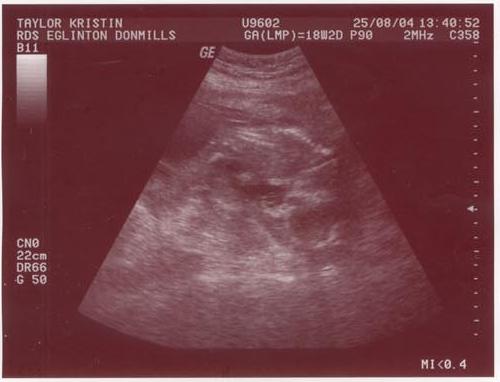
a pregnant friend of mine just told me that she is lucky enough to have a doctor that will give her an ultrasound at every appointment. i didn't tell her that i didn't think that made her "lucky".
perhaps i should have expressed my concerns...
all too often, i hear about women whose experience of pregnancy was one of a medicalized condition rather than a life journey. when a woman finds out that she's pregnant, suddenly she is placed on a roller coaster ride of ultrasounds, glucose tests, blood tests, amniocentisis... it can almost feel as though pregnancy is dangerous to us.pregnancy is a LIFE experience not a MEDICAL experience.
although the mainstream medical community will swear they are perfectly safe, others have raised questions about the long term effects of repeated ultrasounds. the truth is that not enough studies have been done to ensure that we aren't doing damage. even mainstream media such as CNN and BBC have picked up on the issue.the other side of the story is that ultrasounds can only tell us so much. old equipment and unskilled technicians play a huge part is the effectiveness of using ultrasounds for diagnostic purposes.
and for the most part, repeated ultrasounds are just for keeping mom happy.
recently, 3D and 4D ultrasounds have become available across the u.s and even a few in canada. these are even more worriesome as they are being carried out in mall shops; unmonitored and unregulated. even the conservative FDA is concerned.
here is a well researched article with excellent references that looks at the risks of this new "fad".
overall i think it's wise to be err on the side of caution and get only the ultrasounds that are medically neccessary because until someone can prove to me definitively that they are safe, i'm not convinced.
extended breastfeeding?
this is an old post from a blog i wrote for a while in 2005... i ended up breastfeeding my daughter until she was 18 months and she self weaned. i hope to make it to 2 with my son.
on the eve of some good friends having a beautiful baby boy, i was thinking about the term "extended breastfeeding" and how innacurate the term actually is. extended breastfeeding, in north american terms, mean breastfeeding past one year of age. however the World Health Organization recommends babies be breastfed up to two years of age.
nothing is more sad than the lack of education and support in north america regarding just how vital breastfeeding is for babies. women who can't breastfeed shouldn't be made to feel bad, there shouldn't be guilt in bottlefeeding but there should be way women doing it. that might seem like a contradictory statement but in my opinion if everyone made a honest effort to breastfeed their children, then the few who couldn't would not feel bad about it and no one would question their situation. as it is now, i constantly hear about women whose breastfeeding attempts were sabotaged by nurses, jealous husbands, mothers and other relatives. and in the end the baby is the one getting the raw deal.
my daughter will be one on february 1st and i DO NOT consider myself to be extended breastfeeding. i consider myself to be taking care of my child's natural needs. our nursing sessions are something sacred in this family and i'm lucky to have a husband that comes from a country where breastfeeding until 2 or 3 is the norm...just for a refresher, here's a great article on the benefits of breastfeeding.
links on the benefits of "extended breastfeeding"
http://www.lalecheleague.org/NB/NBextended.html
http://www.kellymom.com/bf/bfextended/ebf-benefits.html
http://www.gentleparenting.com/ebf_faq.html
on the eve of some good friends having a beautiful baby boy, i was thinking about the term "extended breastfeeding" and how innacurate the term actually is. extended breastfeeding, in north american terms, mean breastfeeding past one year of age. however the World Health Organization recommends babies be breastfed up to two years of age.
As a global public health recommendation, infants should be exclusivelytherefore, should the term "extended breastfeeding" not be applied until a baby is older than 2?
breastfed1 for the first six months of life to achieve optimal growth, development and health.2 Thereafter, to meet their evolving nutritional requirements, infants should receive nutritionally adequate and safe complementary foods while breastfeeding continues for up to two years of age or beyond.
nothing is more sad than the lack of education and support in north america regarding just how vital breastfeeding is for babies. women who can't breastfeed shouldn't be made to feel bad, there shouldn't be guilt in bottlefeeding but there should be way women doing it. that might seem like a contradictory statement but in my opinion if everyone made a honest effort to breastfeed their children, then the few who couldn't would not feel bad about it and no one would question their situation. as it is now, i constantly hear about women whose breastfeeding attempts were sabotaged by nurses, jealous husbands, mothers and other relatives. and in the end the baby is the one
 getting the raw deal.
my daughter will be one on february 1st and i DO NOT consider myself to be extended breastfeeding. i consider myself to be taking care of my child's natural needs. our nursing sessions are something sacred in this family and i'm lucky to have a husband that comes from a country where breastfeeding until 2 or 3 is the norm...just for a refresher, here's a great article on the benefits of breastfeeding.
links on the benefits of "extended breastfeeding"
http://www.lalecheleague.org/NB/NBextended.html
http://www.kellymom.com/bf/bfextended/ebf-benefits.html
http://www.gentleparenting.com/ebf_faq.html
Monday, June 18, 2007
the birth of kalden
the midwives said i was due on march 3rd while i insisted my due date was the 1st. i guess they won this one. ;)
on the 2nd, i woke and and went to my parents house not realizing that my water had broken and was slowly leak ing. by around 11am i figured out what was going on and so i called the midwives. they were at the hospital so they told me to come in and get checked. this was my first visit to the L & D ward and i felt uncomfortable and edgy as soon as we arrived.
 ing. by around 11am i figured out what was going on and so i called the midwives. they were at the hospital so they told me to come in and get checked. this was my first visit to the L & D ward and i felt uncomfortable and edgy as soon as we arrived.
the midwives checked me out and said indeed, my water was leaking. I had an NST and everything was fine. now the "clock" was ticking on when this baby had to arrive... 24 hours "they" say. so off we went, to walk and walk and walk and get labour started. contractions started and were painful but they were totally irregular. that night they started up but disappeared by morning.
our midwife met us at home in the morning to check out what was happening and she said i was about 4cm but that kalden wasn't low enough to progess any further. 24 hours had come and gone but i wasn't about to give up and go for a hospital birth and induction. so we went and bought the dreaded castor oil.
it was disgusting and did nothing. i had contractions if i was walking and they were crippling but if i stayed still - they stopped. it was infuriating!
at that point the midwife said we had to meet at the hospital to discuss our options. i was devastated and in tears. the thought of having my baby in a hospital terrified me. we got in the car around 4:30 and on the way to the hospital, the contraction started. they were 5 minutes apart and 30-45 seconds long. we had another NST, the contractions were strong and my midwife told us that we couldn't be "forced" to stay in the hospital but that the doctors were HIGHLY recommending that we start an induction.
we left the hospital as fast as we could and on the way home my husband joked that i'm the only person who goes into labour IN the hospital and runs home as fast as i can!

we stopped at my parents house to see our 2 year old daughter and then i requested a hamburger. i wolfed it down and realized that the pain was getting intense. we went home and laid down to sleep. i had the amazing ability to fall asleep between contractions even though they were less than 4 minutes apart!
we both woke up and my husband pointed out that we should probably call the midwives. by the time they arrived, i was in excruciating pain from contstant waves of contractions. it was much more intense than it was with my daughter. i laboured on the toilet for a few minutes and then got into bed and laid on my side.
in transition, i tried to cancel the whole thing and told everyone i was giving up. lol.... then i realized that i needed to push. the midwives agreed and i closed my eyes and was so focussed on pushing that i didn't even realize when kalden was born. suddenly my midwife said "open your eyes" and when i did my son was on my belly.
it was 6:55pm - less than 2.5 hours from start to finish. my beautiful baby boy.
in defense of co-sleeping
InFact Canada released this response to the Ontario Coroner's report which slammed co-sleeping as dangerous.
Thanks to Dani at mom2mom for sharing this.
.
Thanks to Dani at mom2mom for sharing this.
.
Last week, Ontario’s deputy chief coroner James Cairns released a widely-publicized report which strongly recommended that parents not sleep in the same bed with their infant children. “We are opposed to co-sleeping, period,” said Cairns.
"The only safe sleeping environment is in a properly manufactured crib with a proper mattress and nothing in it."
Cairns is much too quick to condemn co-sleeping, a normal nurturing tradition that is practiced by the majority of mothers around the globe and has been proven to be beneficial for infants.
The coroner based his conclusions on only 11 infant deaths in 2005 which were attributed to sharing a bed with a parent or sibling. However, at least six of these deaths involved parents who were intoxicated by alcohol or marijuana. Given that over half the deaths attributed to co-sleeping involved other dangerous factors, a wholesale condemnation of bed-sharing is hardly justified. Instead, the coroner should have outlined safe co-sleeping practices, which include never bed-sharing if a parent’s ability to be roused by the infant’s cues is impaired by intoxication, medication, or extreme fatigue.
The coroner’s report is a disservice to Ontario’s families. The importance of co-sleeping is well-documented and substantial. Significantly, during the first few days after birth, co-sleeping allows for immediate breastfeeding and skin-to-skin contact between mother and baby, which helps to regulate an infant’s heart beat, sleep patterns, and body temperature.
Despite popular myths about the repercussions on children of sharing a bed with parents, studies indicate that infants who co-sleep grow up to have higher self-esteem and less guilt and anxiety. Sleeping next to an infant allows a mother to respond better to her baby’s cues. Research has shown that this increased responsiveness can reduce incidences of Sudden Infant Death Syndrome (SIDS).[1]
Co-sleeping also facilitates breastfeeding. Many mothers have reported deriving great pleasure and comfort from being able to wake up during the night when their nearby baby wants to suckle, and then falling asleep together once the child is full. Co-sleeping allows infants to breastfeed whenever they need to, usually 2-3 times a night.[2]
That’s more often than crib-sleeping babies, who may not get to feed when they need to.
Aside from providing an infant with optimal nutrition, breastfeeding has been shown to reduce the incidence of SIDS. Breastfed infants are much less likely to die from SIDS than are bottle-fed infants.[3]
Co-sleeping is part of the normal mother baby relationship and can be done safely. Parents should be made aware of the proper precautions they need to take when sharing a bed with their infant. But outright condemnation of the practice is simply not responsible, especially when it is known that bed-sharing can confer many important benefits to mother and child.
Sunday, June 10, 2007
co-sleeping safely
all week, thanks to Ontario's coroner's report, we've been bombarded with headlines like this:
Does co-sleeping kill?
Dangers of 'co-sleeping
Every parent should know: Co-sleeping kills
Coroner Warns Parents: Don't Take Baby To Bed
first my mother mentioned it - then my husband came home asking me if this stuff is true. i'm at the point where i want to scream! let's examine this a bit closer; the coroner says that co-sleeping is unsafe because last year co-sleeping was attributed to 11 out of 21 "sudden unexpected death syndrome". What the media HASN'T picked up on is that the vast majority of those deaths were ACTUALLY attributed to the co-sleeping parent being intoxicated, heavily medicated, using drugs or other unsafe practises. the act of co-sleeping is not the problem, it's a practise considered normal in most of the world.
Let's just go back to the numbers for a minute. 11 of 21 deaths. so just over 50% right? and where, you might ask were the other deaths? most of them were in a CRIB. so is anyone saying that a crib is unsafe? of course not. because those crib deaths were attributed to unsafe crib practises. having an overcrowded crib is as dangerous as falling asleep drunk with your baby in your arms.
i co-sleep with my babies for the first 6 months. i believe it's not only better for my children's emotional and mental health but i strongly believe that it's safer. i believe in instinctual parenting and my instincts tell me to keep my babies close. and research agrees. studies have shown that co-sleeping babies gain more weight, have lower SIDS rates and that mom ends up with better mental health.
here is a site with great links about co-sleeping:
http://www.cosleeping.org/
Guidelines for Sleeping With Your Baby
- Always place baby to sleep on their back.
- Baby should sleep next to mother, rather than between mother and father.
- Take precautions to prevent baby from rolling out of bed. Use a mesh guardrail and be sure the guardrail is flush against the mattress and fill in any crevice with a rolled-up baby blanket or towel.
- Use a large bed with a mattress that fits snugly against the rail or is flush up against a wall.
- Don't use fluffy bedding or cover baby with comforters, etc.
- Do not sleep with your baby if you are under the influence of alcohol, drugs, or sleep-inducing over-the-counter medications or if you are overly exhausted from sleep deprivation
- Do not allow baby-sitters or older siblings to sleep with baby.
- Don't fall asleep with baby on a couch, bean bag chair or waterbed.
- Do not let baby sleep unattended on an adult bed.
- Don't overly bundle baby, because they get additional warmth from the mother's body. Overheating can be dangerous to infants.
Wednesday, June 6, 2007
Tuesday, June 5, 2007
the birth of india
 i was 27 when i was pregnant with my first child. an amazing transformation took place in those months; i suddenly became acutely aware of my surroundings, of what i was putting in my body, of what i was watching on tv and of where our precious planet was headed.
suddenly i could not read enough. i literally devoured every website i could find, every book i could check out of the library and soon i found myself at odds with much of the mainstream world.
i decided to have a homebirth with my midwives and i read every study, statistic and article i could find. my instincts told me it was the safest option for me and i soon found that the facts backed me up.
i never worried about my homebirth, people asked me all sorts of questions and i never had a moment's second thought. it was on of the easiest decisions that i've ever made.
labour with india was LOOOOOOONG. i wan 9 days overdue but happy. i went into labour on a Sunday - hung out with my family, walked around the local malls and played cards with my husband. my contractions remained fairly insignificant. i didn't get any sleep at night though, and by monday evening i knew things were getting serious. contractions were more regular and not so much fun anymore. i had a bath and a glass of champagne and revelled in my last moments of "freedom".
by 11:30pm my midwife arrived and settled in. i made her some soup and she took a nap. i was horrified to find out that i was only 3 cm dilated and thought for sure i was going to be in labour forever. by that time i could no longer sit or lie down. it was far too painful and so i walked. i walked up and down and around our apartment. at around midnight my water broke (thanks yoga ball!) and then my midwife says she knew things were picking up because i lost my sense of humour. there was a small amount of meconium in the fluid and we discussed the option of tranferring to a hospital but my instinct told me that all was fine and we stayed at home.
i continued to walk. i had my husband pressing on my lower back through each contraction and i got in and out of the tub and shower to relieve the pain. i tried to meditate through the pain - i used pictures of the dalai lama, i used a prayer wheel, i used my husband.
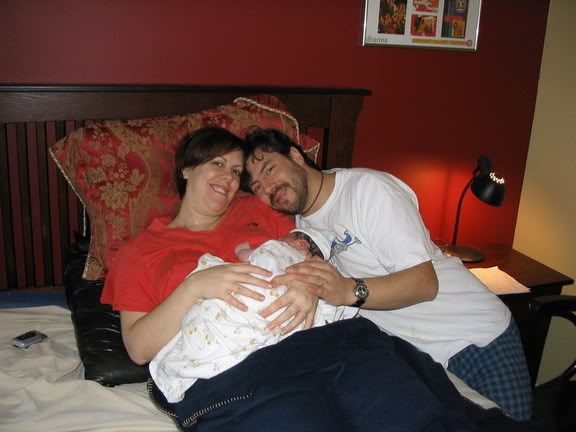
at one point my midwife told me to eat something to keep up my energy and so i chose some jello. as the early morning approached, i was losing energy and feeling hopeless. i cried. i threw up. i tried to cancel the whole thing.
my husband was a rock throughout everything. he cheered me on, did exactly what i told him to and held me hand the whole time. FINALLY around 6am my secondary midwife arrived and after they checked me they told me that i could start to push whenever i felt the urge. sure enough, a few minutes later i felt that unforgettable sensation. i started pushing while sitting on the toilet (not a pretty image i know) and my midwives helped me focus my energy to get the most out of my contractions. finally my husband looked at me and said "i can see her hair!"
at that point adrenalin kicked in.

they got a mirror and i was able to see the full head of hair that my daughter had. i was so excited. i was about to be a mother.
i pushed some more and then moved to a birthing stool. DH held me up and my midwives guided me through it. once her head was out they suctioned her (because of the meconium) and i noticed my midwives look at each other. i focused on a couple more pushes and out she came. my gorgeous baby girl.
my midwife put india on me and tears of joy and relief poured down my face. i held her and told her a million times that i was her mommy. it was then that they told me she had been born posterior. a sunny side up baby. a 9 pound 3 oz direct OP baby.
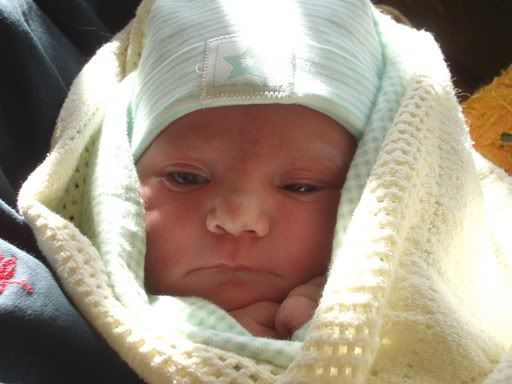
within a few seconds, india was breastfeeding and thus began my life as a parent. it's a memory i cherish more than anything. for weeks i felt like a superhero. in fact i think i still feel that way.
freebirthing
i had midwives present at my homebirths and i wouldn't have had it any other way but every woman should decide what's right for them. i can't believe that doctor believes that giving birth "is the most dangerous thing" most women will do in their lives. where do doctors learn to be so fearful of childbirth??
http://edition.cnn.com/2007/HEALTH/05/23/freebirthing.reut/
Freebirthers dismiss fear and
bring babies home
POSTED: 1353 GMT (2153 HKT), May 23,
2007
LONDON, England (Reuters) -- They insist they're no superwomen, they have no special powers, and are certainly not pain or adrenaline junkies. But "freebirthers" choose to go through what some call the most painful and potentially frightening experience of a woman's life with no drugs, no midwife and no medical help.
Delivering their own babies at home, often alone, they dismiss what they say is "fearmongering" by doctors and midwives and confidently catch their offspring as they leave the womb."Birthing uses the same hormones as lovemaking -- so why would you want anyone poking and prodding you, observing you and putting you under a spotlight?" said Veronika Robinson, an Australian based in Britain who sees growing interest in freebirth among readers of international magazine, "The Mother."
Her comment is echoed by many in online discussion groups about freebirth, where women insist having a baby is as intimate an experience as having sex.
"We were the only people there when she was conceived, and it felt absolutely 100 percent right that we were the only people there when she was born," writes Laura Fields from the United States.
Robinson says medical establishments in Britain and across other westernized nations have for years been "taking something that's natural and making it into a disease," and now, with freebirthing, "women are taking their power back."
Free- or unassisted birth means having a baby with no medical or professional help. In Britain, as in North America, where its popularity is growing, it is legal as long as delivery is not "assisted" by an unqualified partner, friend or husband.
To some, like new mum Janet Sears, the idea of giving birth alone, with no-one around to help if things go wrong, is little short of madness: "It's my idea of hell," she told Reuters.
Intervention and fear
But one of its most prominent supporters, Laura Shanley, an author on childbirth, is now mother to four children -- all of whom were born at home without the help of doctors or midwives. Shanley, who lives in Colorado in the United States, says that in essence birth is only problematic because of three main factors -- poverty, intervention and fear.
As long as clean water and reasonable living standards are available -- as they are to many women in the west -- then the task is to eliminate the other two factors and a natural birth will be as safe as it can be."As I began to understand how fear affects the body, and that birth is not inherently dangerous provided we don't trigger the fight-flight response and shut down labor, then to me it was natural to want to just trust myself," she told Reuters.
"It didn't make sense to me that something that ensures the continuation of the race would be a dangerous and scary event."
Diana Drescher, a Dutch freebirthing enthusiast who lives in Britain and wants a fourth baby with her German partner, agrees.
"We've been giving birth for thousands of years and we're still in this world. If it was that dangerous we wouldn't be here," she told Reuters.
Coming from the Netherlands, where there is a more relaxed attitude to birth, Diana finds British medical authorities far too quick to intervene and is determined to have her next baby here with no professional presence. She says she will also avoid being in her partner's native Germany where she says freebirth is virtually impossible without fear of the authorities finding out and intervening.
"I do know some people who have had unassisted births in Germany, but they will not talk about it. It's a very close community that does it and they have to be very careful."
'Most dangerous thing'
Britain's Department of Health frowns on the practice of freebirthing and says every woman should have a midwife.
"The safety of mothers and their babies is our top priority," a spokesman told Reuters. "Midwives are the experts in normal pregnancy and birth and have the skills to refer to and coordinate between specialist services. Every woman needs the care of a midwife in labor and birth and those women with more complex pregnancies may need a doctor too."
And some doctors, as well as some friends and relatives of those who chose to go it alone when they go into labor, are fiercely critical of what they see as a selfish,
reckless, even irresponsible approach to childbirth."Dr. Crippen," a British National Health Service doctor who writes an award-winning blog on the Internet, has reacted angrily to growing interest in freebirth, saying babies born this way should have a right to legal recourse later in life. He says "giving
birth is the most dangerous thing that most woman will do during their life,"
and argues:"Does a mother not owe a duty of care to her baby? Should a
mother not take reasonable care to protect the baby when she gives birth? And if
she does not take reasonable care -- and the standard should be objective not
subjective -- why should a baby who has sustained avoidable brain damage due to
the mother's negligence not take action against his mother?"If a baby were to die during a freebirth, Dr Crippen argues the mother should be prosecuted for manslaughter.
Mary Siever, a mother of three who lives in Alberta, Canada, said she has experienced the wrath of those around her when they learned she had a baby on her own.
"There are are people who are horrified when they find out that an unassisted birth has taken place," she told Reuters.
"I can't claim to know why they feel this way, but my belief is that the majority of them --
doctors and health authorities -- truly do not think women are intellectually capable of making their own decisions when it comes to birth."
Subscribe to:
Posts (Atom)